Discover Upcoming Features and Ideas
Catch up on upcoming features, vote, comment, and submit new ideas.


On Target
The feature is on track to be included in a particular release.

Delayed
The feature is delayed and it is highly likely it won't make it into a particular release.

At Risk
The feature is at risk of being delayed due to running into unforeseen difficulties or is taking longer than anticipated.

Completed
The feature is completed internally. This does not mean the feature is available publicly.

Released
The feature has been released and is available in public builds.
On Target At Risk Delayed Completed ReleasedEmberGen 2 Public Beta Release (Q4 2026)

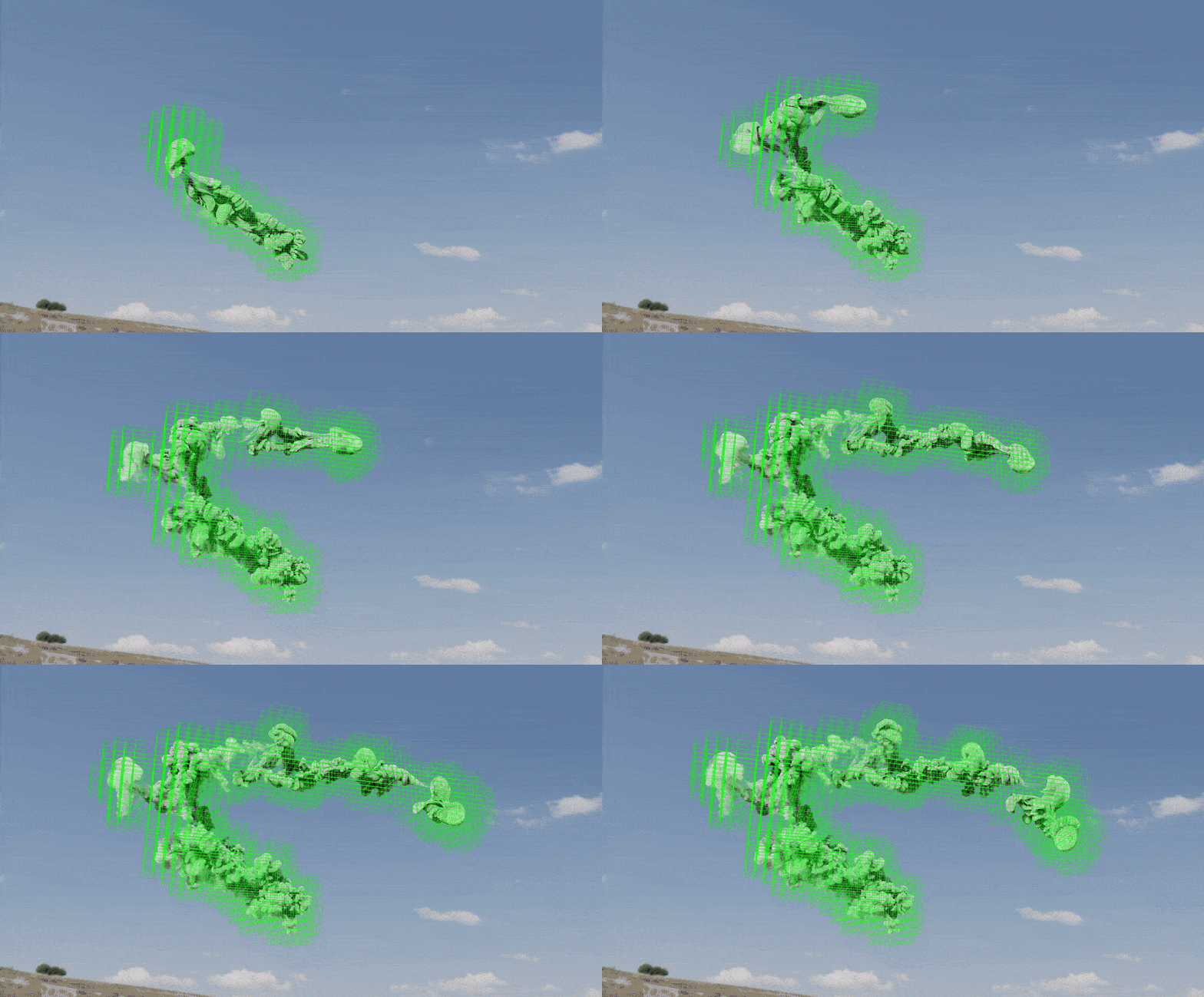
New Sparse Simulation Technology and Rendering
Completed
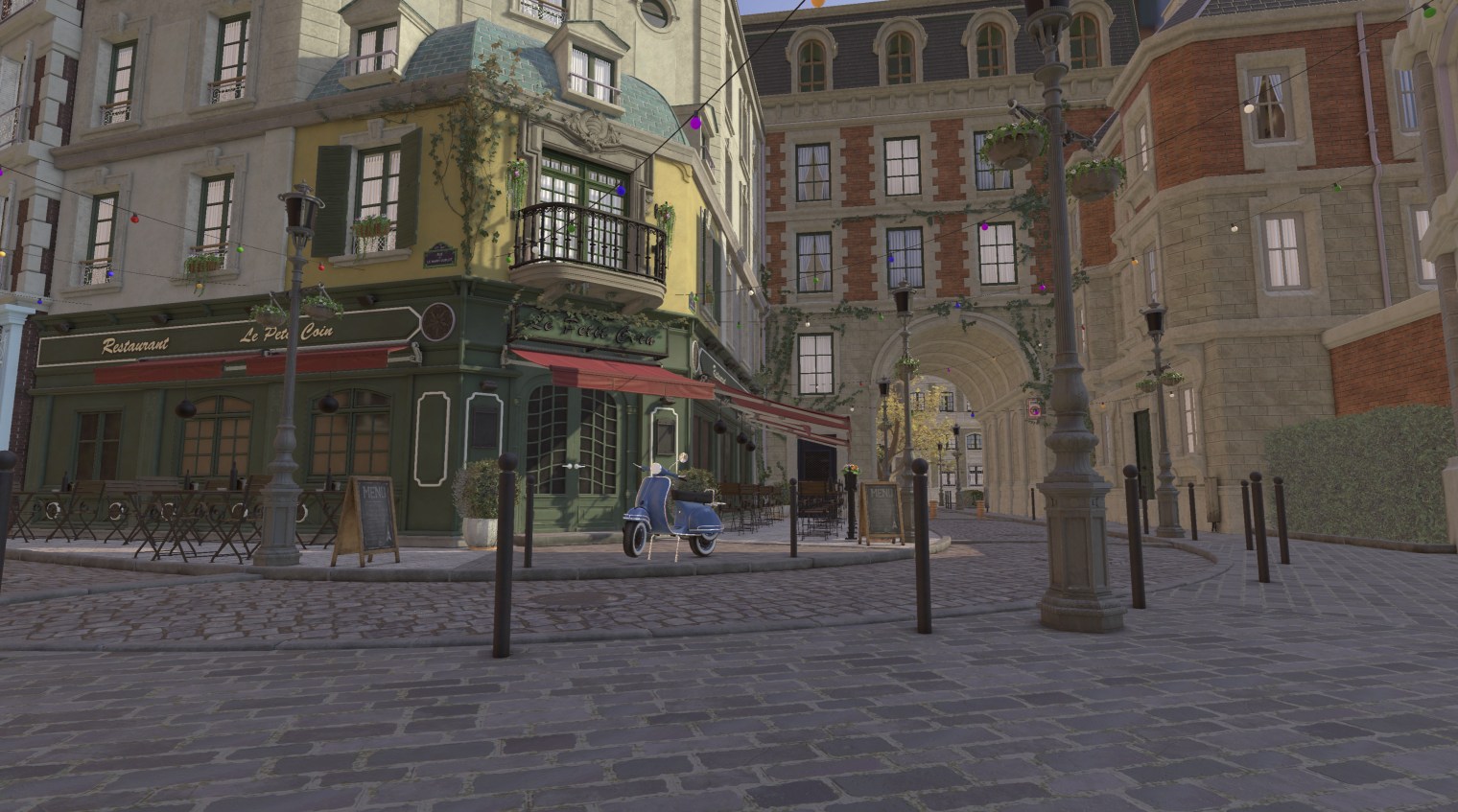
Unified Renderer - Improved Mesh Rendering
Completed
MacOS Support on M-Series Chipsets
Completed
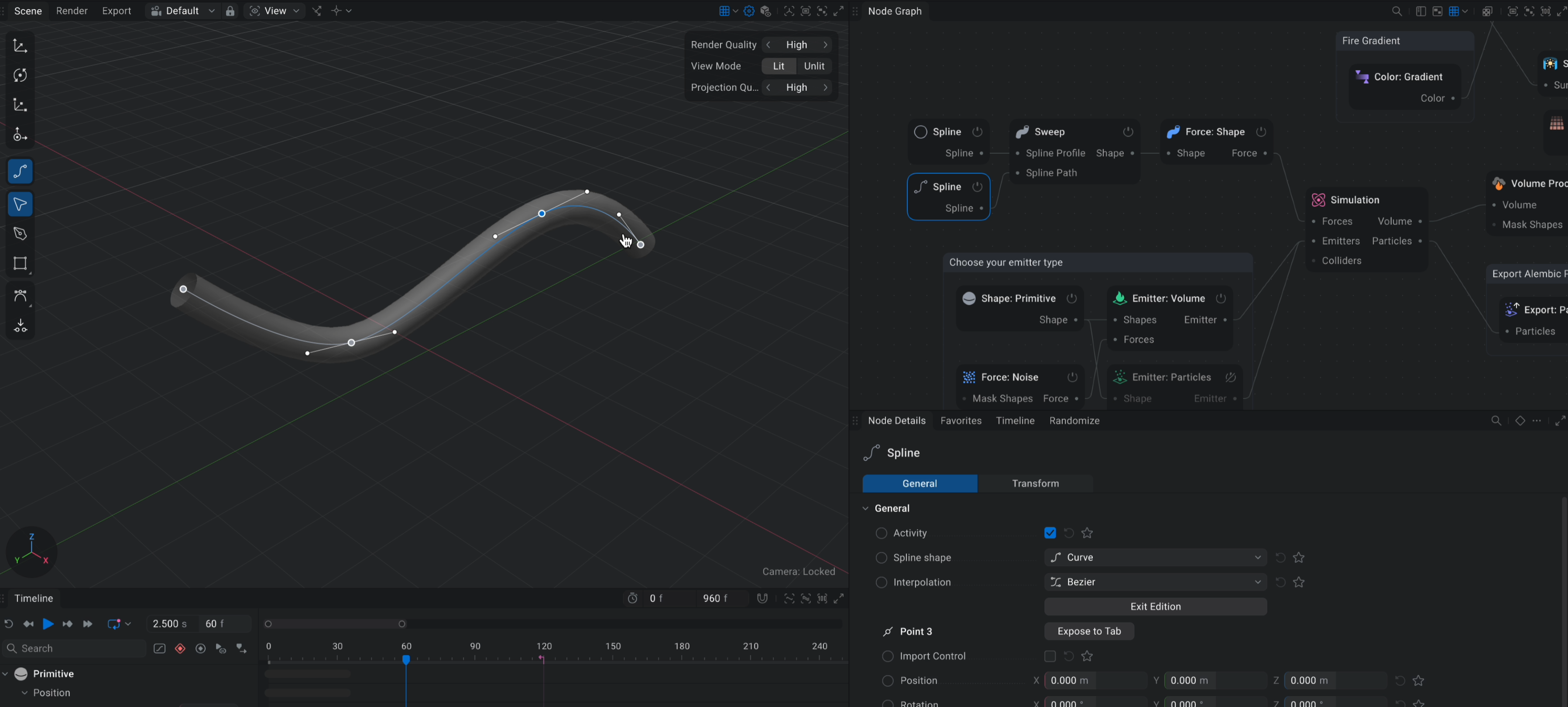
Spline Shapes & Forces
Completed

New Combustion Model
On Target
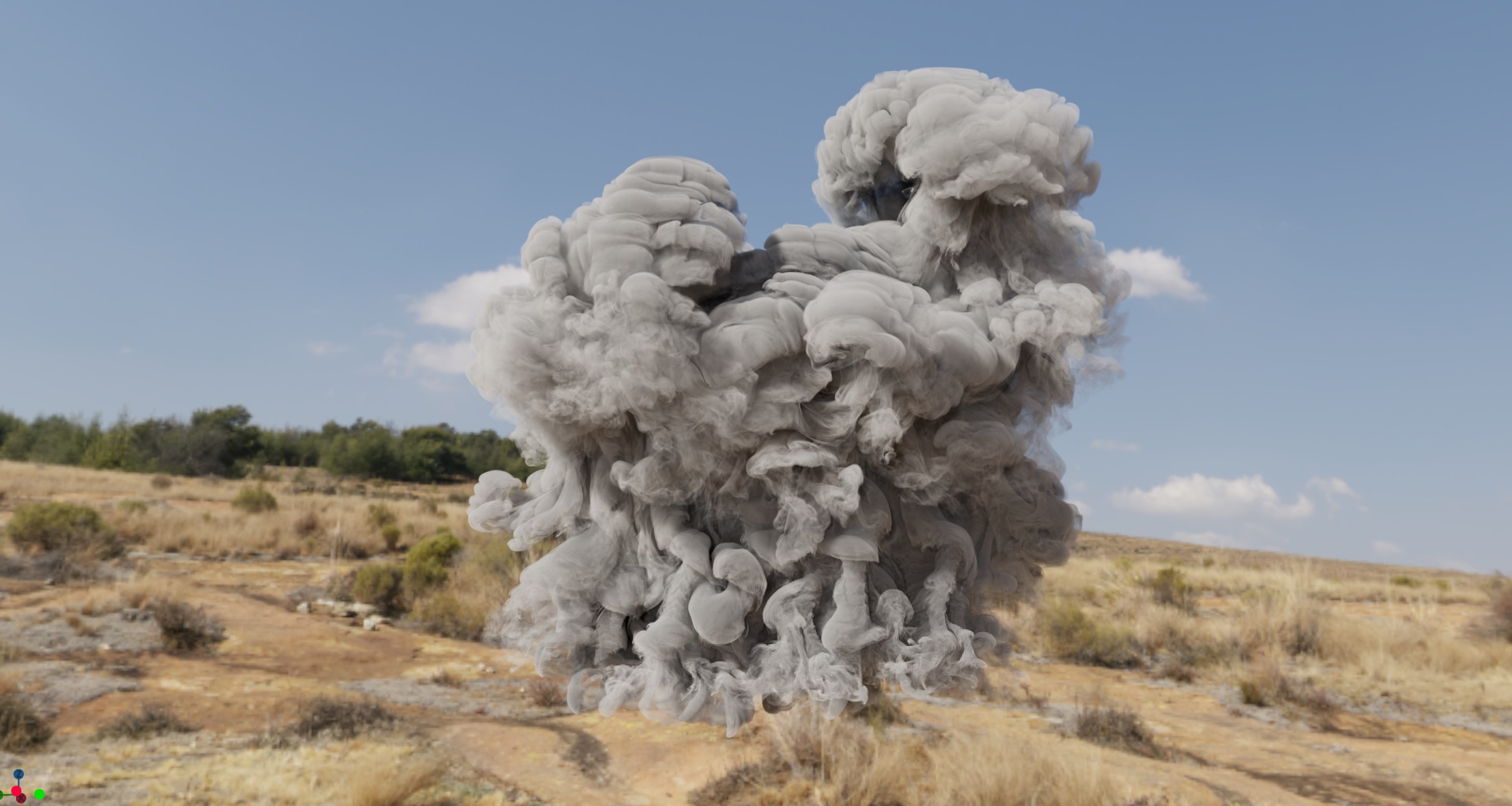
HDRI Support for Skyboxes
Completed
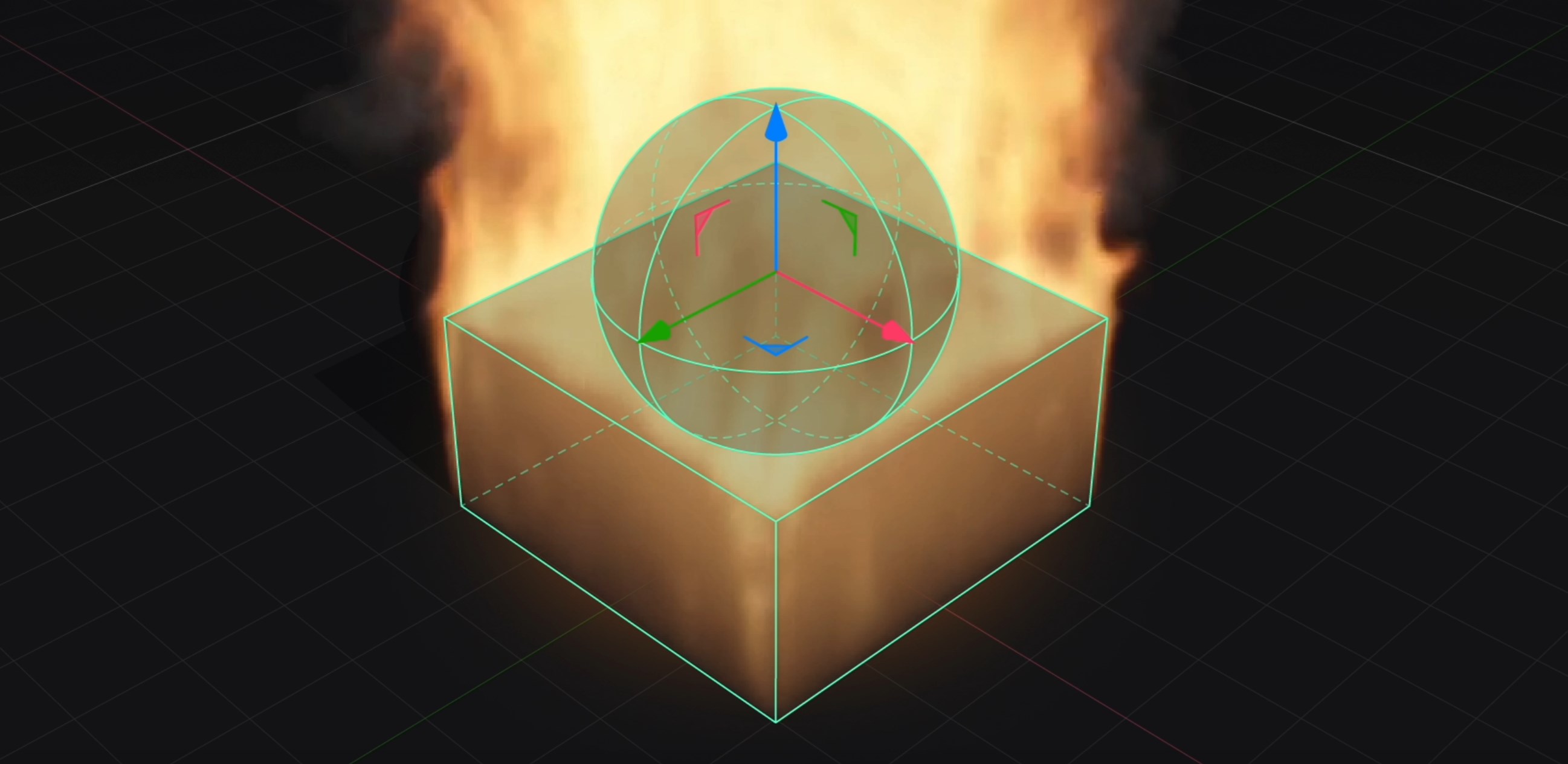
Selectable Viewport Items
Completed
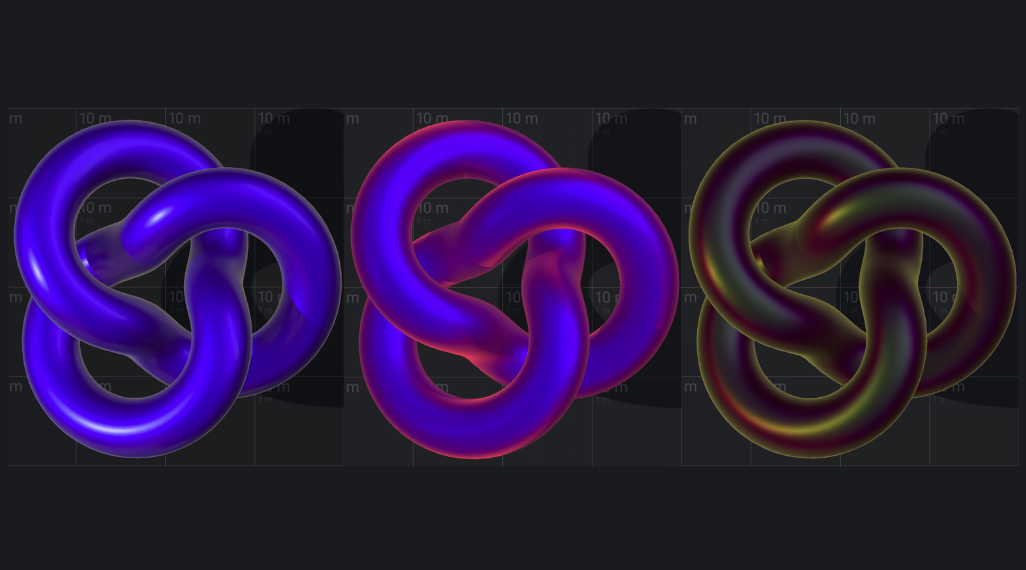
Unified Renderer: Materials
Completed
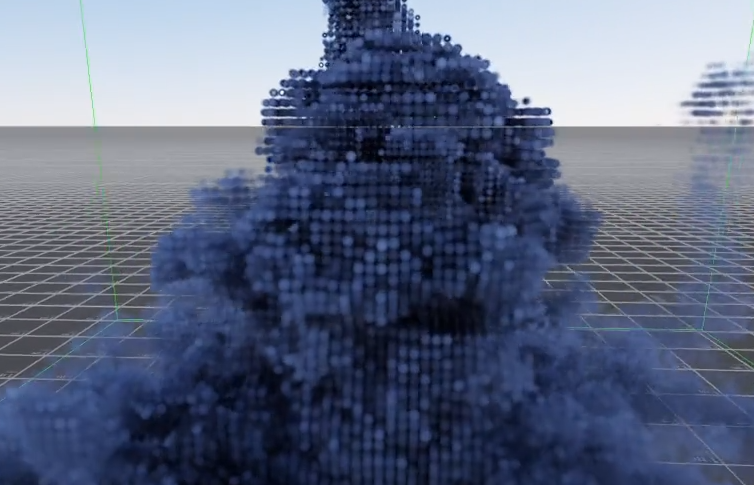
Coarse Splat Rendering
On Target
Upcoming: 2.0 Production Ready (2027)
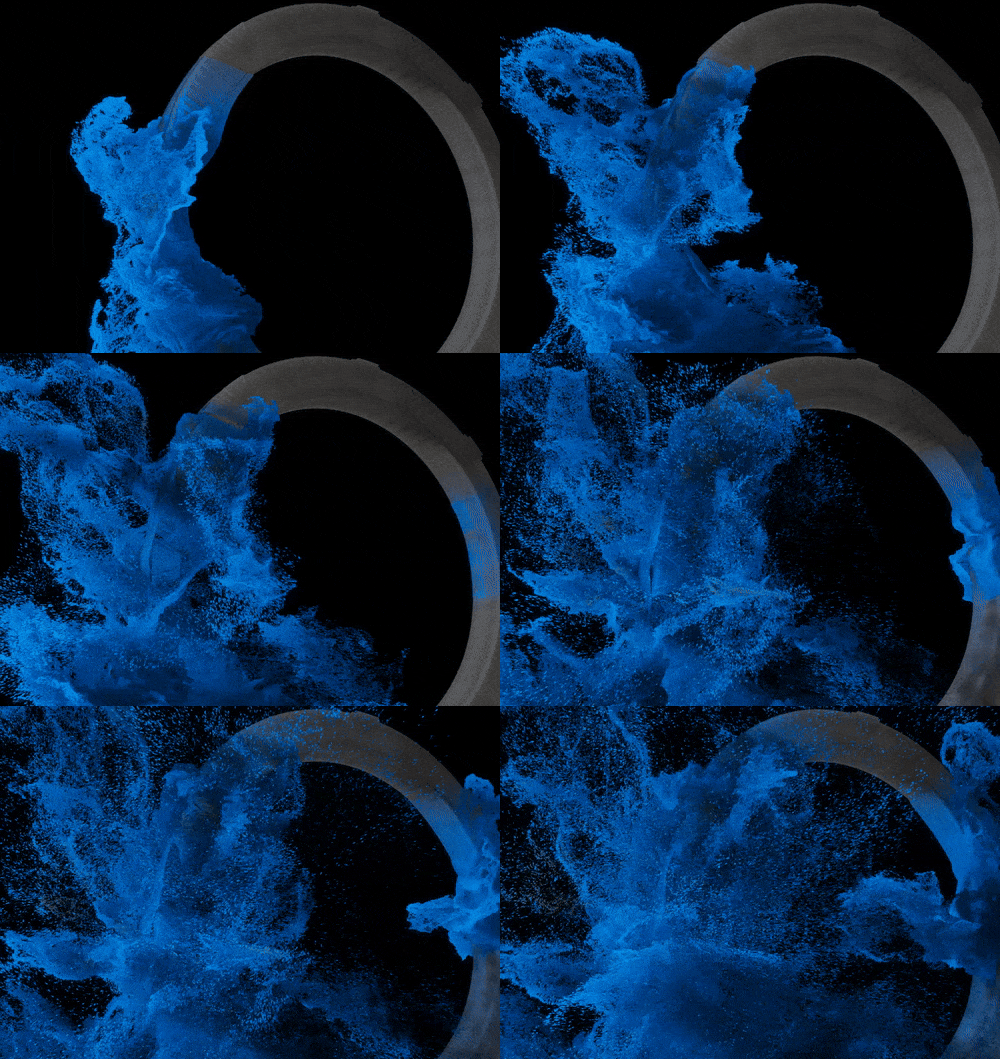
New GPU Particle System
On Target
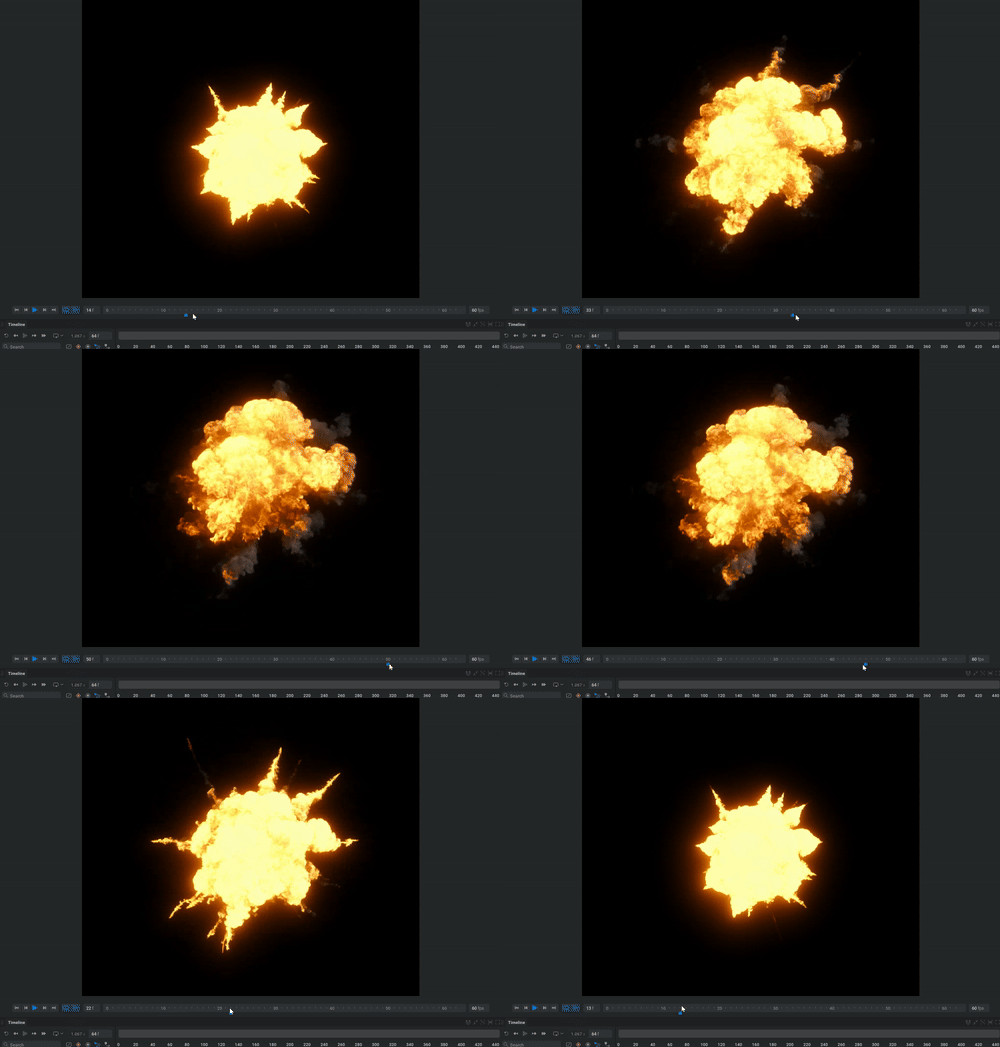
Volume Caching for Scrubbable Simulations
On Target
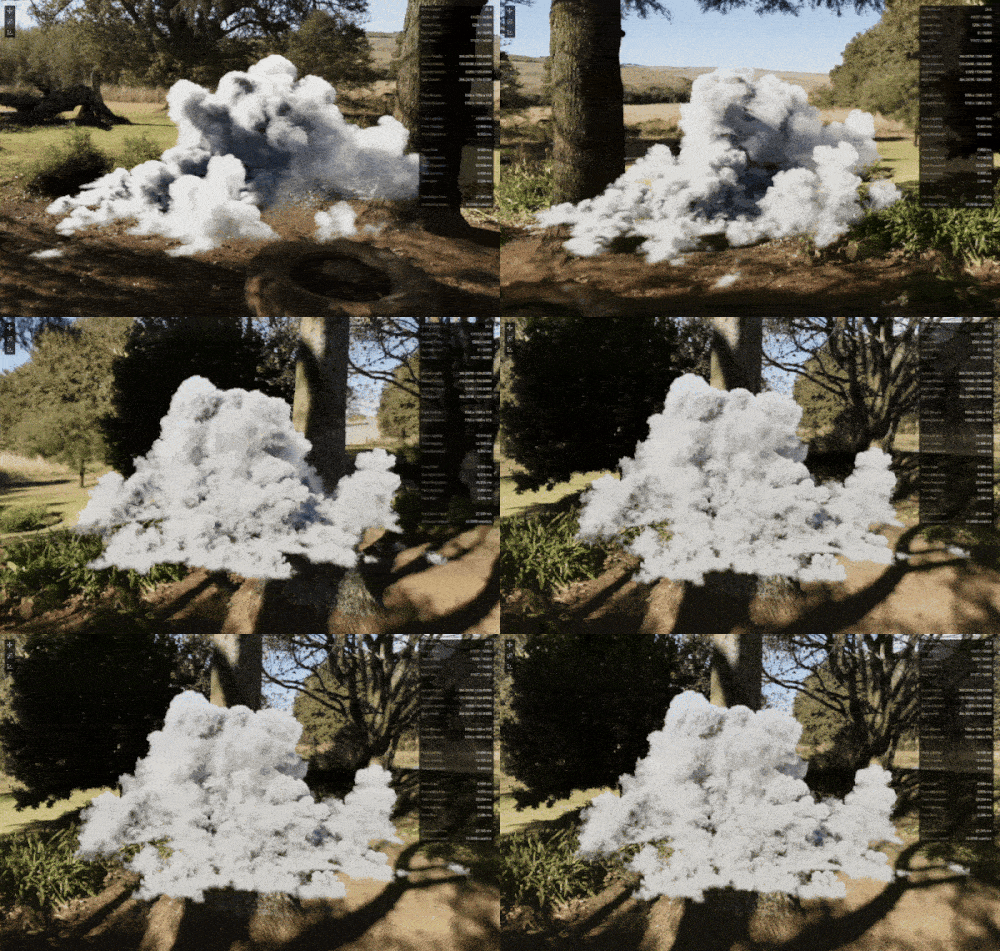
Import VDB Files
Completed
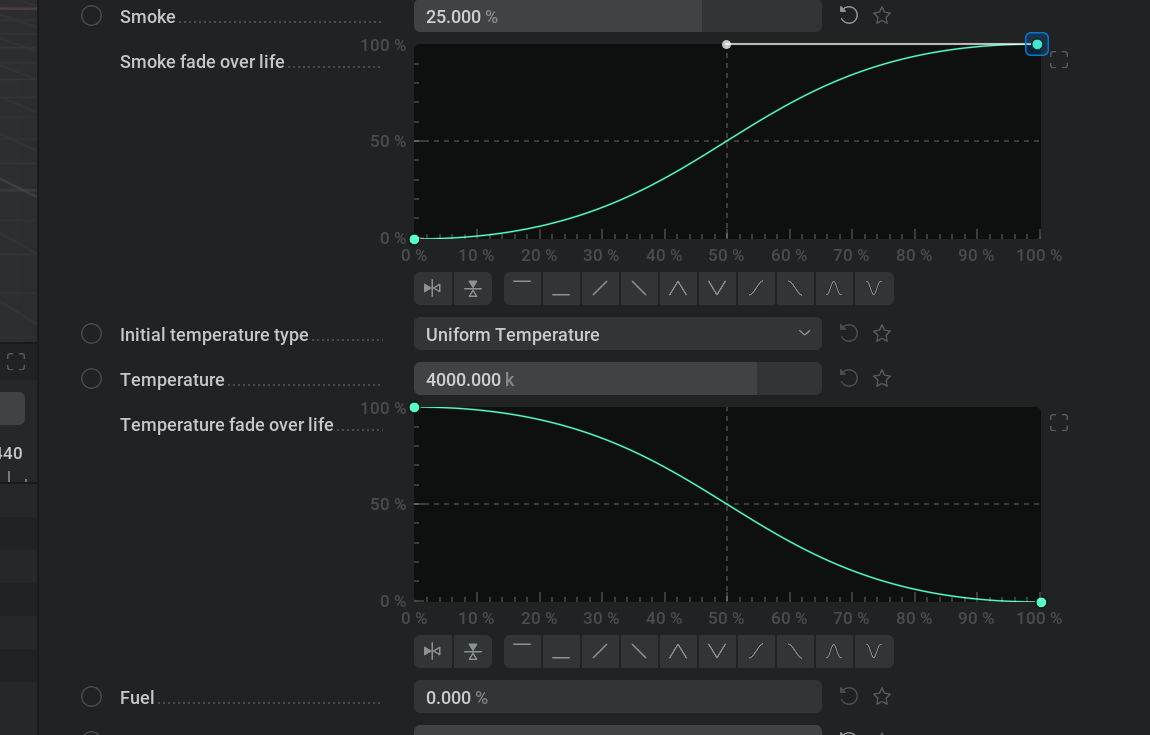
Curve controls for more parameters
On Target
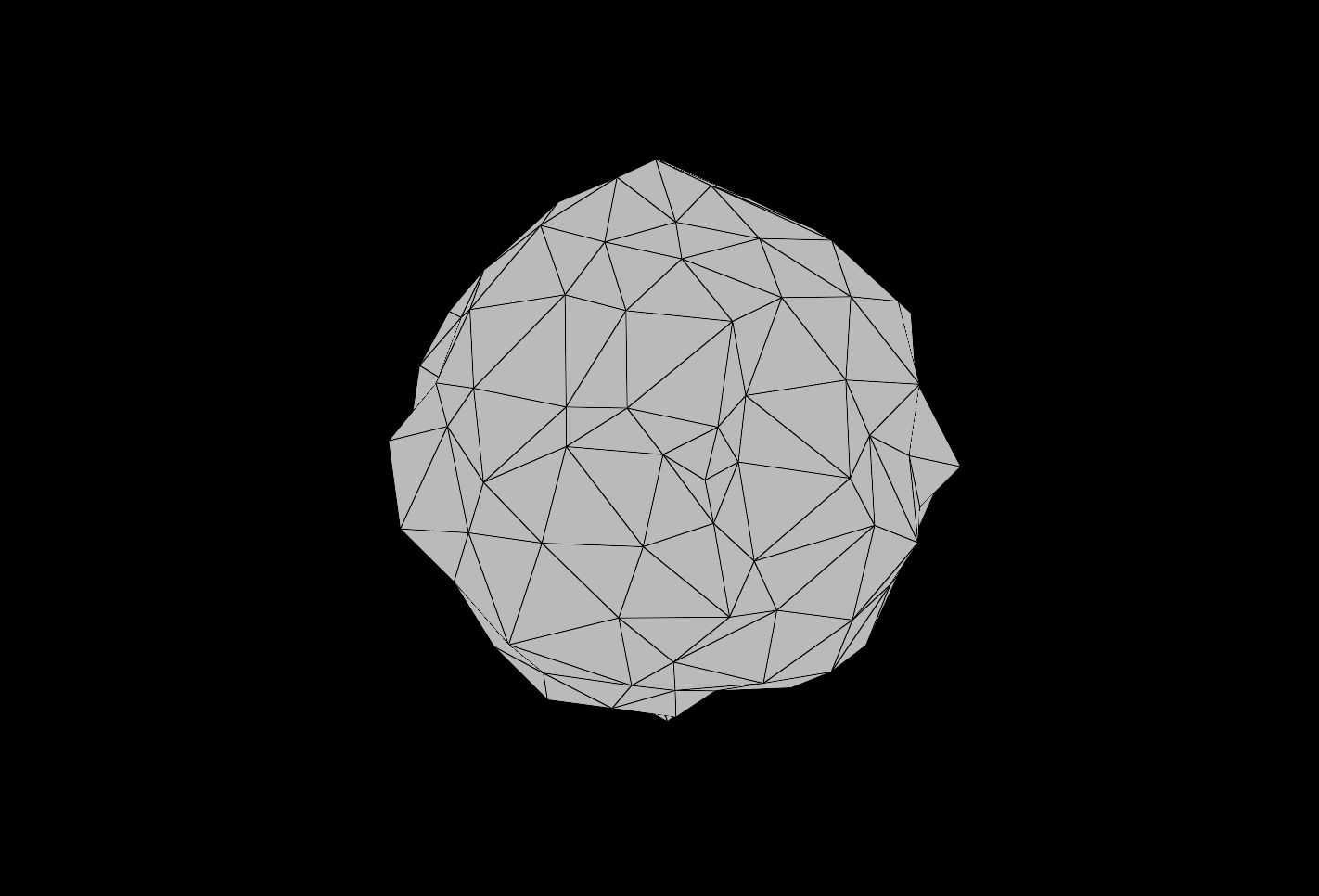
Mesh Based Particles - Debris & Mesh Instancing
On Target
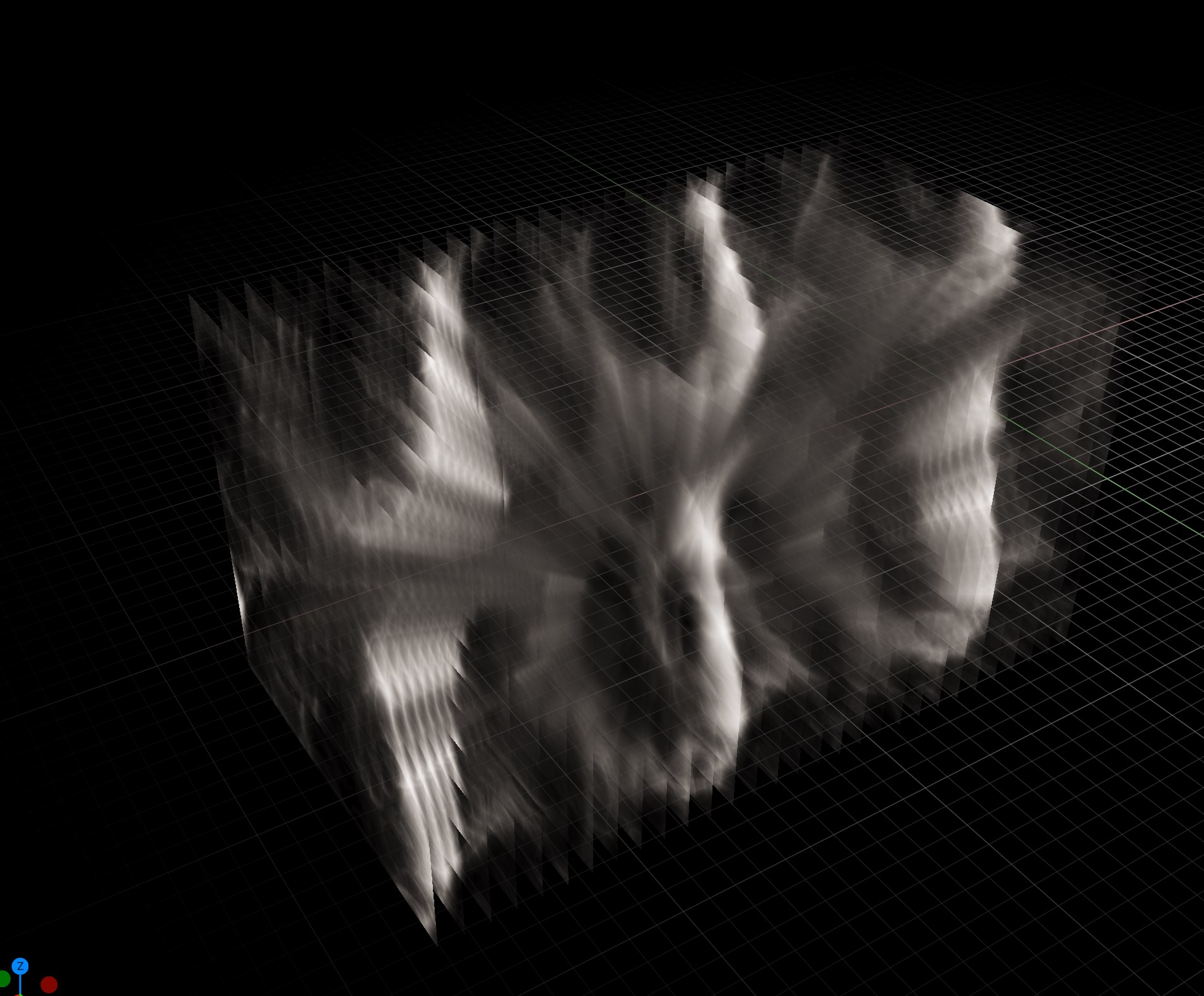
Animated 3D/4D Volume Textures for Games
On Target
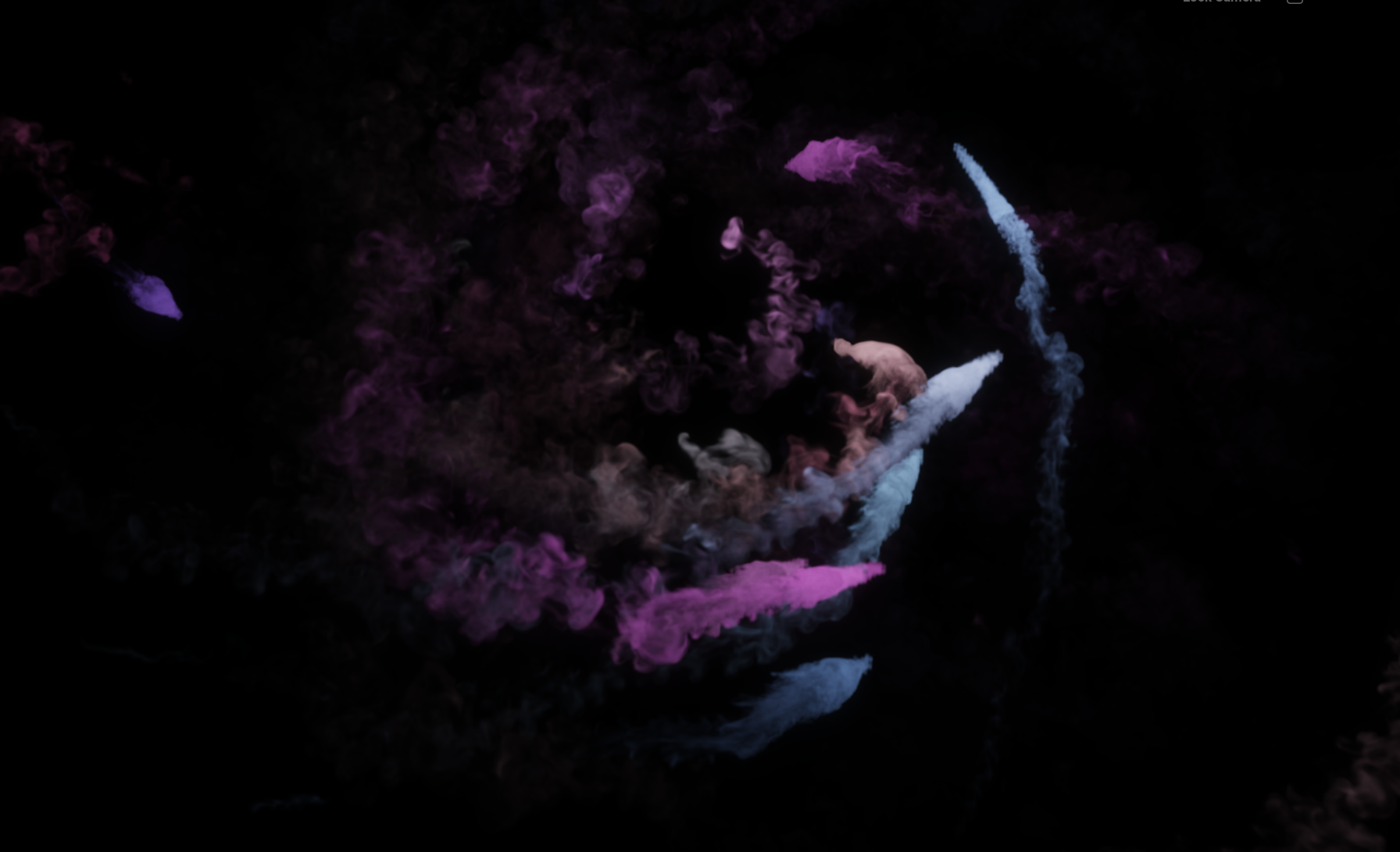
Variable Component Injection - Custom Voxel Data (Multi-sim)
On Target

Emission from textures
On Target
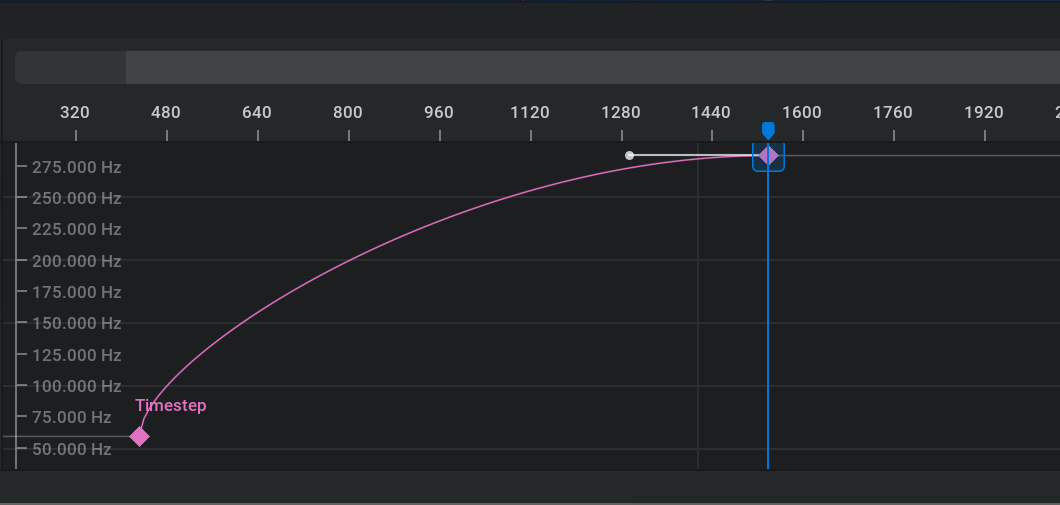
Retiming Simulations & True Scene FPS Options
On Target

USD Format Support
Delayed
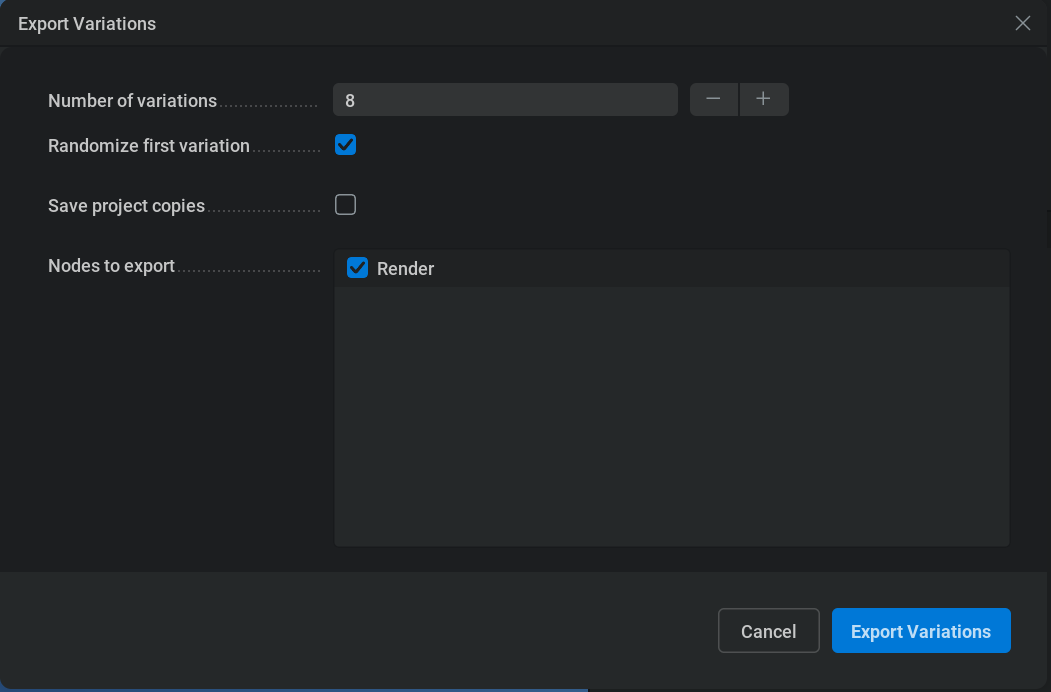
Wedging & Batch Processing UI
On Target
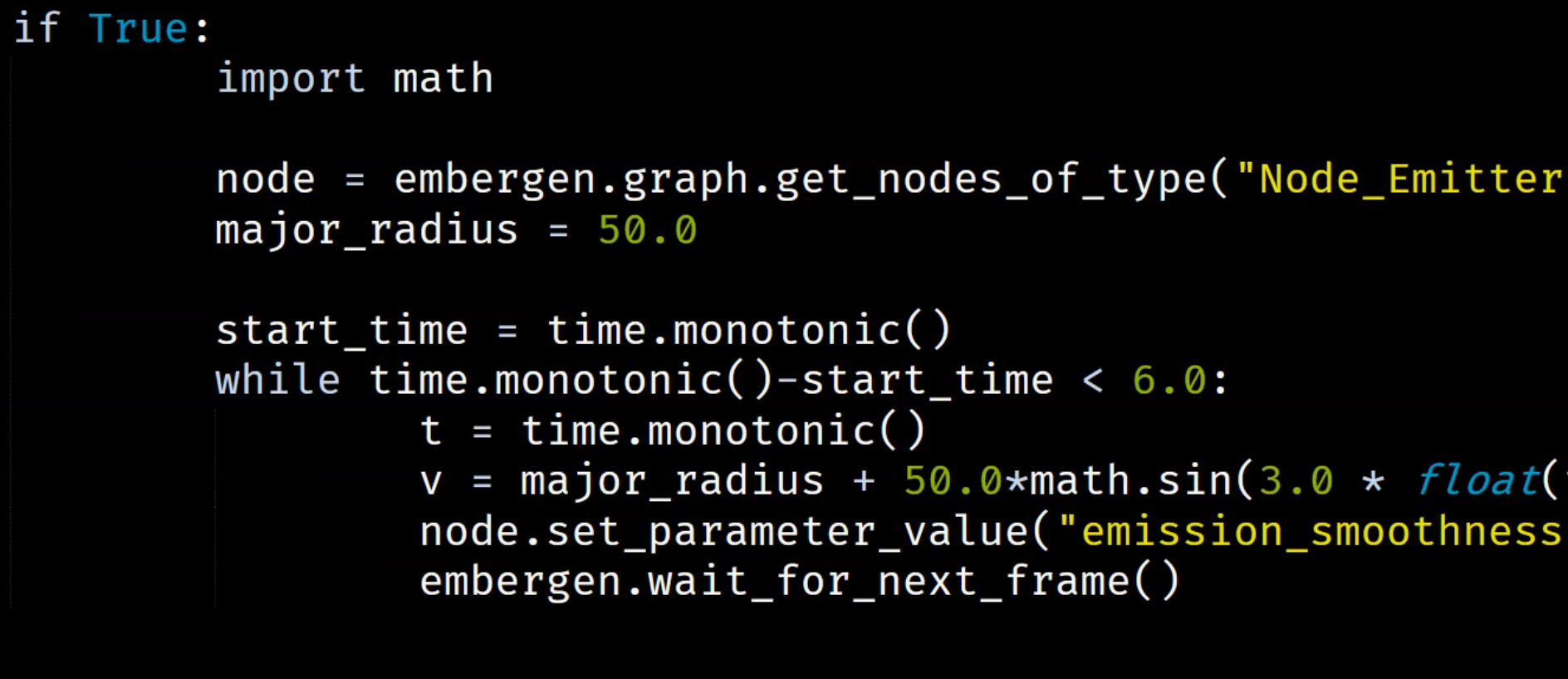
Scriptable API
On Target
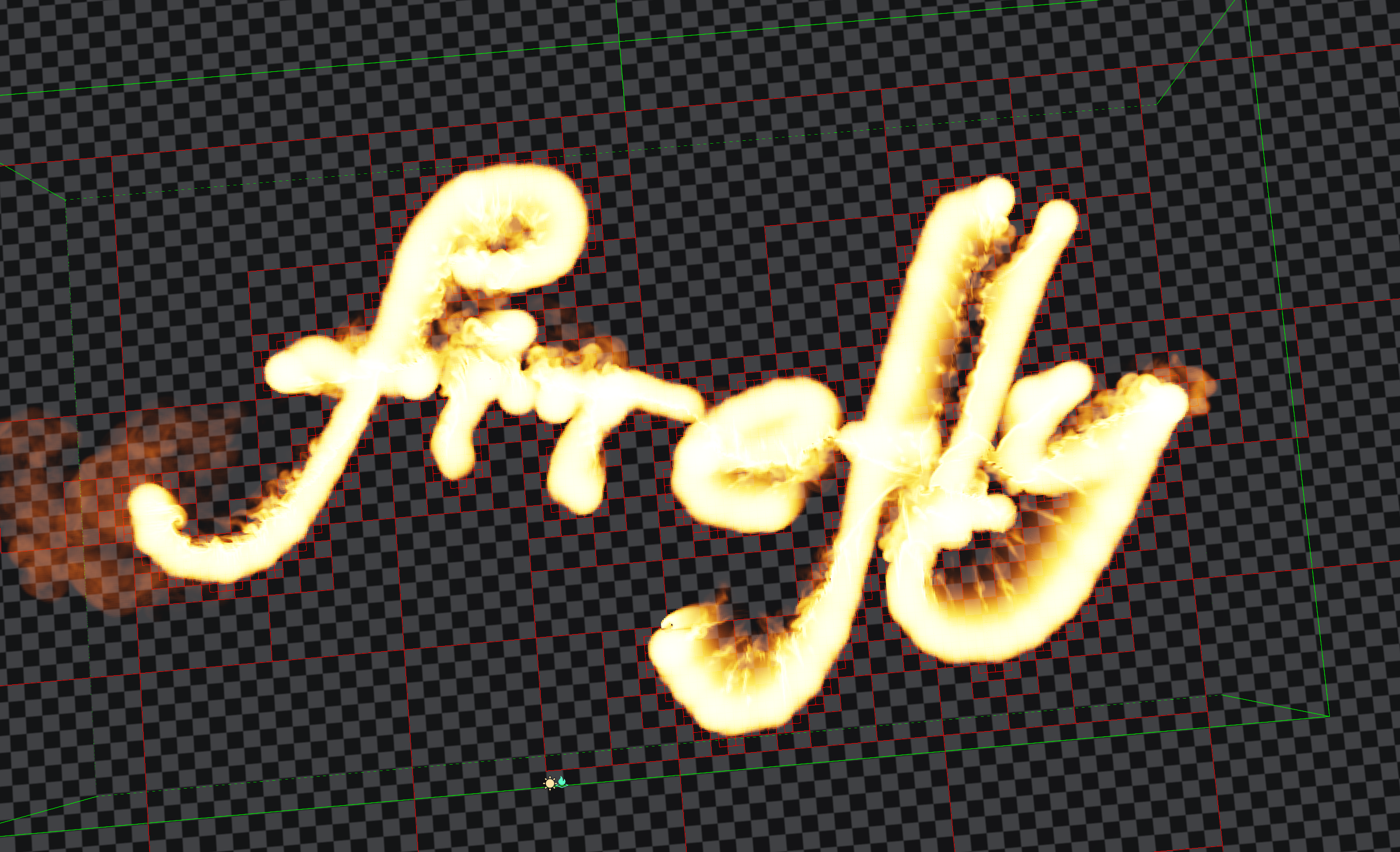
Paintable Emission On Ground & Meshes
On Target
Future Features
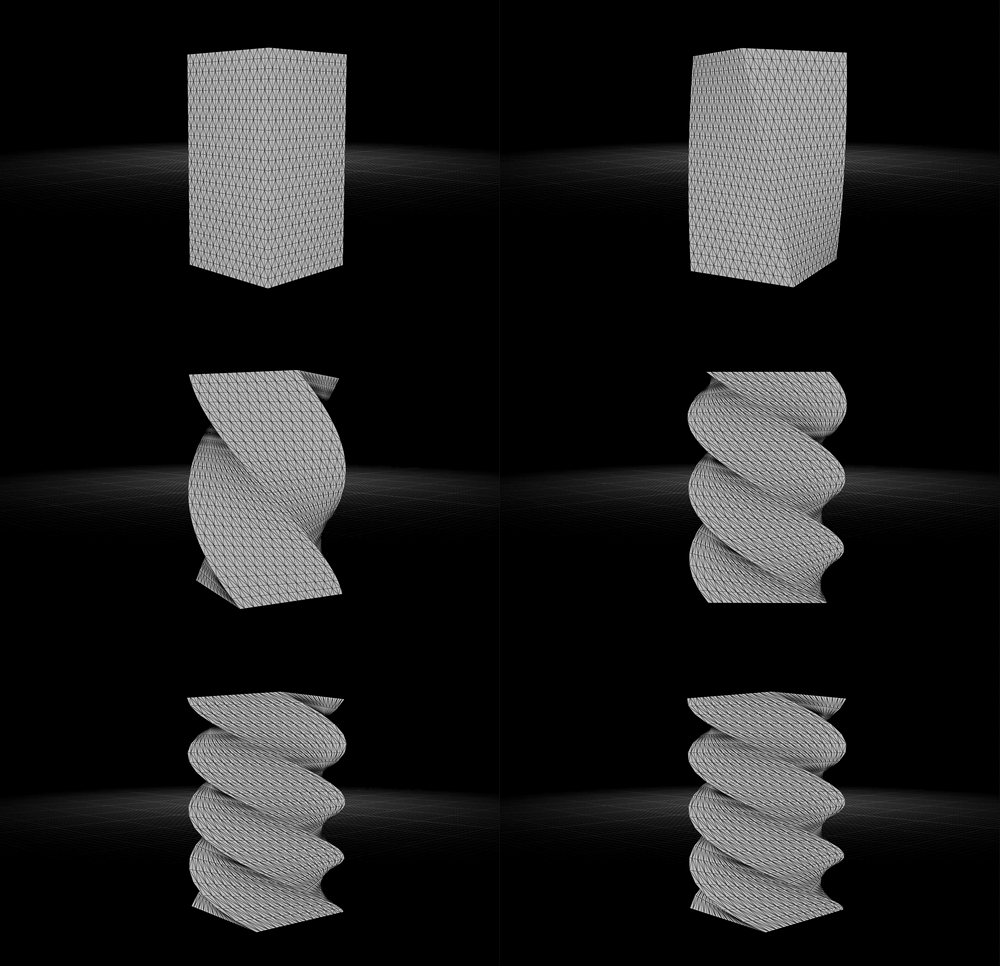
Volume Modifiers for Distortion
Delayed
MP4 Export
Delayed

VDB Compression
Delayed

Bake textures for performance gains
Delayed

Real-Time Path Tracing
Delayed
DeepEXR
Delayed

Granular Solver for dirt/sand within explosions
Delayed
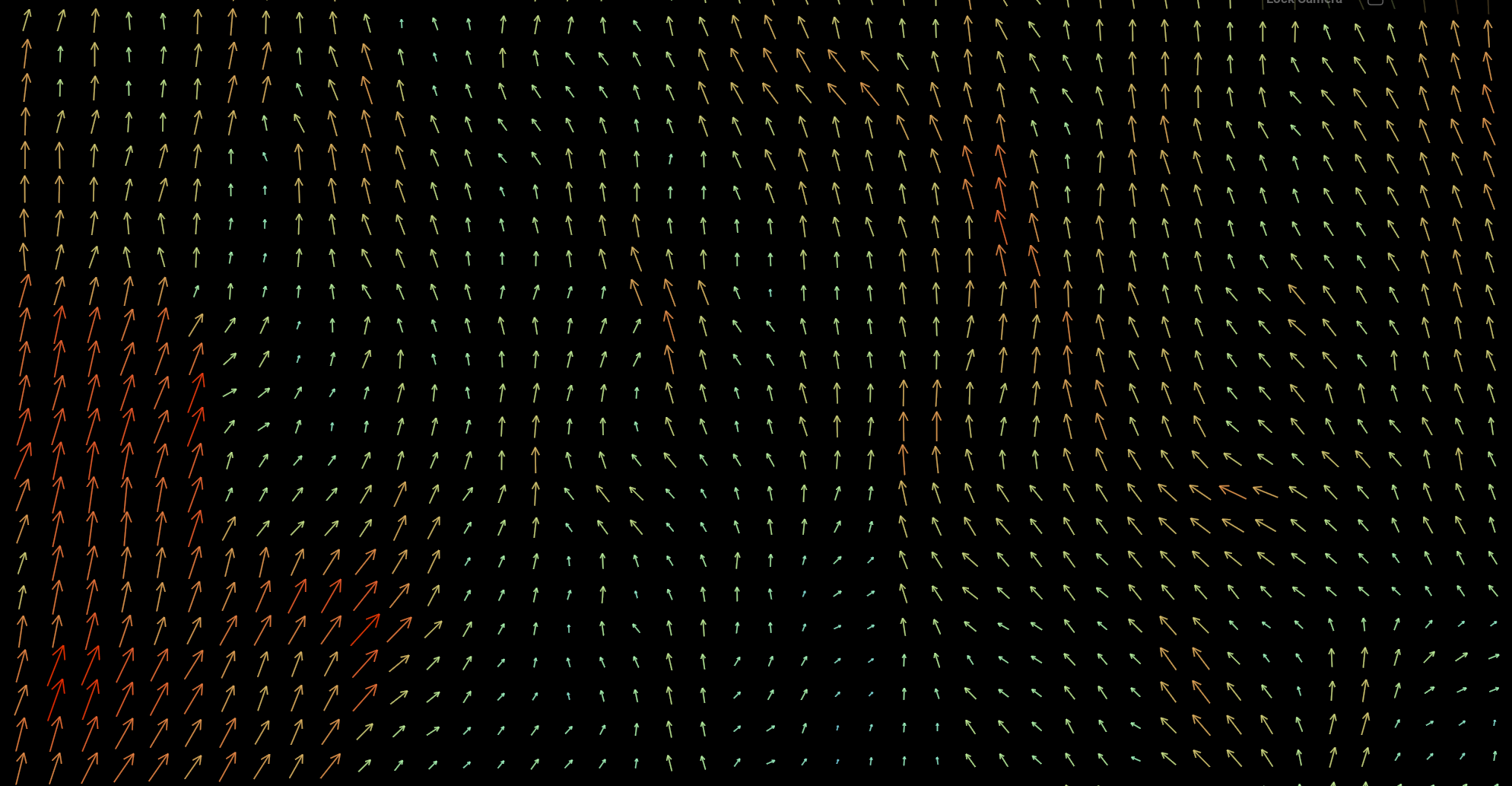
Export VectorFields
Delayed
